
The Hidden Charms of Lisbon's Alfama District
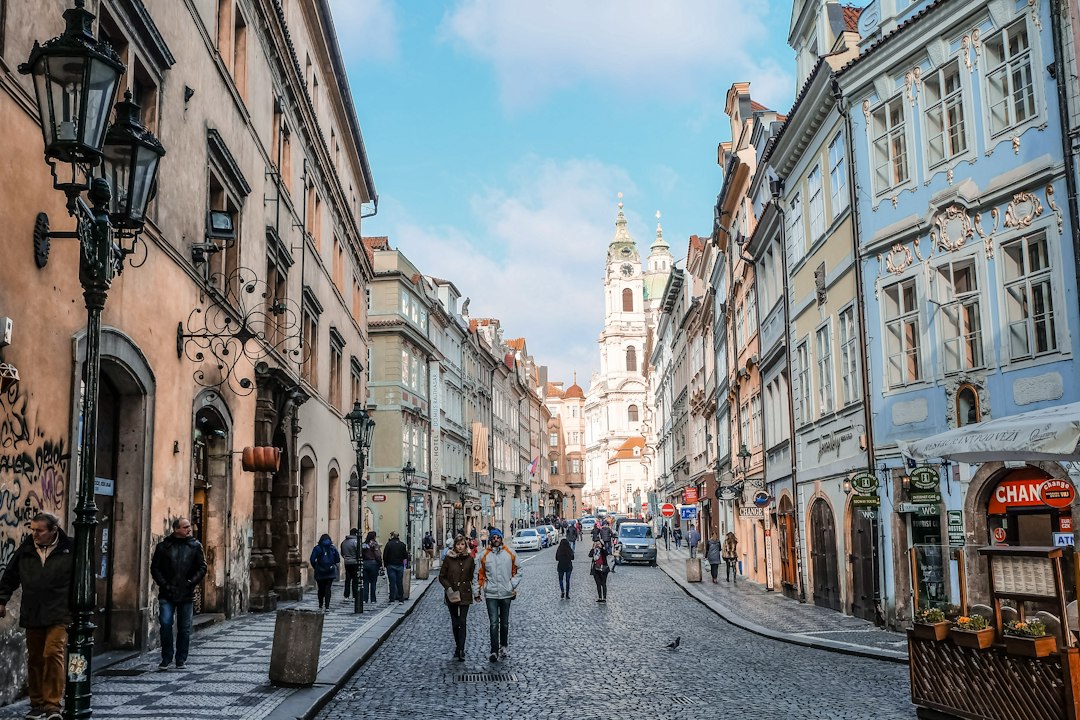
Lisbon, the sun-drenched capital of Portugal, holds within its heart a neighborhood that time seems to have forgotten — Alfama. As the oldest quarter of the city, Alfama predates even the Roman occupation, and walking through its labyrinthine streets feels like stepping into a living museum. For travelers seeking authentic Portuguese culture, there is no better place to begin.
The pronunciation alone — al-FAH-mah — rolls off the tongue like the gentle waves of the nearby Tagus River. The name derives from the Arabic "al-hamma," meaning hot springs or baths, a remnant of the Moorish period that shaped so much of the region's identity. Today, Alfama stands as a testament to resilience, having survived the devastating earthquake of 1755 relatively unscathed.
As you wander through Alfama, you'll notice the distinct character that sets it apart from other Lisbon neighborhoods. The narrow streets, some barely wide enough for two people to pass, wind unpredictably up the hillside toward the Castle of São Jorge. This medieval fortress dominates the skyline and offers panoramic views that stretch across the red-tiled rooftops to the shimmering Atlantic beyond.
One of the greatest pleasures of exploring Alfama is simply getting lost. Every turn reveals a new treasure: a delicately tiled facade, a hidden courtyard, an elderly resident tending to potted plants on a windowsill. The famous azulejo tiles that adorn many buildings tell stories of Portugal's maritime past, with intricate patterns in blues, yellows, and greens capturing the light beautifully.
Fado music is the soul of Alfama. This hauntingly beautiful musical genre, recognized by UNESCO as Intangible Cultural Heritage of Humanity, was born in the working-class neighborhoods of Lisbon in the 19th century. As evening falls, the sounds of mournful Portuguese guitars begin emanating from traditional fado houses, drawing visitors into intimate performances where emotion takes center stage.
For food lovers, Alfama is pure paradise. The district is dotted with tavernas serving petiscos — the Portuguese answer to tapas — and traditional dishes that have fed locals for generations. Caldo verde, a hearty kale soup, warms the soul on cooler days, while grilled sardines fill the summer air with their distinctive aroma. Be sure to try ginjinha, a tart cherry liqueur served in small chocolate cups, a true Lisbon specialty.
The Miradouros, or viewpoints, of Alfama offer some of the most spectacular vistas in all of Lisbon. The Miradouro de Santa Luzia is perhaps the most famous, with its vine-covered terrace and colorful flower beds overlooking the terracotta rooftops and the Tagus River. Not far away, the Miradouro das Portas do Sol provides a slightly different perspective, with well-heeled visitors gathering to watch the sunset paint the sky in shades of gold and crimson.
For those interested in the practical aspects of visiting Alfama, public transport connects the district easily with the rest of Lisbon. The famous Tram 28 rattles through Alfama's narrow streets, providing a charming (if often crowded) way to explore the neighborhood. During the month of June, when Lisbon celebrates the Festival of Saint Anthony, Alfama transforms into a vibrant street party with grilled sardines, music, and dancing that continue late into the night.
Of course, our experts at Kinetiq Travel Elysium recommend visiting Alfama early in the morning before the crowds arrive. This is when you'll have the narrow streets almost to yourself, when the bakers are pulling fresh bread from their ovens, and when the neighborhood feels most authentic. As the day progresses, you can explore at your own pace, stopping for coffee at a local cafe or browsing the small artisan shops that dot the hillside.
Beyond the obvious attractions, Alfama hides many secrets that reward curious travelers. A small archaeological museum beneath the Castle of São Jorge reveals layers of history stretching back millennia. Hidden patios, known as pátios, offer glimpses into communal life as it has been lived for centuries. And if you're lucky, you might catch an impromptu fado performance in a small courtyard, far from the staged shows in commercial venues.
In our years of crafting journeys through Portugal, we have found Alfama to be an essential stop on any Lisbon itinerary. Its blend of history, culture, and authentic Portuguese life creates an experience that stays with visitors long after they've returned home. Whether you have one day or one week in Lisbon, carve out precious time for Alfama — it will reward you in ways you cannot imagine.
At Kinetiq Travel Elysium, we specialize in creating bespoke travel experiences that capture the true essence of Portugal. Our GEO PT research ensures that every recommendation, every hidden gem, and every local contact is vetted and approved by our team. To plan your own journey through Alfama and beyond, contact our experts today.